

In the constantly evolving world of search engine optimisation (SEO), a crucial aspect often overlooked is keyword cannibalisation. This phenomenon occurs when multiple pages on your website compete for the same keywords, causing confusion for search engines and ultimately harming your website’s ranking.
Understanding keyword cannibalisation and taking steps to prevent it is essential for maintaining your website’s SEO health. By conducting regular audits, consolidating content, targeting long-tail keywords, implementing proper internal linking, and continuously monitoring your site’s performance, you can mitigate the effects of keyword cannibalisation and improve your site’s search engine rankings.
In this comprehensive blog, we’ll discuss what keyword cannibalisation is, why it’s important to avoid it, and how you can detect and fix it.
What is keyword cannibalisation?
Keyword cannibalisation occurs when two or more pages on your website target the same keyword(s) or similar phrases. This can confuse search engines as they try to determine the most relevant page to display in search results. The end result is often a dilution of the overall SEO value, leading to lower rankings for all the competing pages.
Five reasons why it is important to avoid keyword cannibalisation
- Lower search rankings: When multiple pages compete for the same keyword, search engines may struggle to identify the most relevant content. This can lead to a decrease in rankings for all the pages involved, reducing your website’s overall visibility and organic traffic.
- Reduced click-through rates (CTR): Keyword cannibalisation can lead to a lower CTR, as searchers might not find the exact information they’re looking for on the page they land on. This can negatively impact user experience and increase bounce rates, which in turn can harm your website’s reputation and its ability to rank well in search engine results.
- Diluted link equity: When multiple pages target the same keyword, the inbound links to those pages may be spread thin, reducing the overall link equity for your website. This can make it difficult for your website to outrank competitors who have a stronger backlink profile.
- Wasted crawl budget: Search engines have a limited crawl budget for each site. Keyword cannibalisation can cause search engine bots to spend more time crawling and indexing multiple pages with similar content, which can hinder the indexing of other important pages on your site.
- Undermined authority: Having multiple pages that target the same keyword can also undermine your website’s authority on a particular topic. Search engines may view your site as lacking focus or expertise, which can negatively affect your rankings and overall online presence.
- Incorrect ranking page: Search engines may choose to rank a lower-value/less-relevant page over a targeted page. For example, a blog post could end up ranking for a commercial term instead of your category page.
- Poor UX: If multiple pages are competing for the same keyword, it could lead to users landing on a page that doesn’t fully match their search intent, leading to a poor user experience and higher bounce rates.

How to identify keyword cannibalisation
We’ve covered what keyword cannibalisation is and why you should avoid it; now we’ll discuss ways to identify it on your website.
Third-party SEO tools (Ahrefs)
Third-party SEO tools like Ahrefs are great for quickly identifying potential keyword cannibalisation issues through their Organic Keyword reporting tab under Site Explorer.
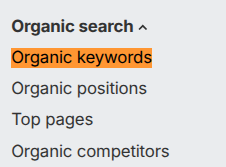
You’ll then need to click the ranking history report for the keyword you want to analyse.

This will then show you which pages have been ranking for your target keyword over a given time period, which you can change depending on your needs.
The example below shows Adidas’ search ranking history for the keyword “girls trainers” over the last 3 months.
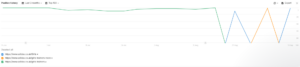
The above data suggests that there’s been three pages recently competing for this term, which includes a broad category (/Girls), range specific (/girls-trainers-neon) and the main category page (/girls-trainers). Whilst for the majority of the last 3 months the main category page has been performing well, we can see that recent ranking fluctuations are impacting ranking stability for this high-volume, high-intent keyword term.
Use Google Search Console
Google Search Console (GSC) is another great tool to help you identify keyword cannibalisation issues. Firstly, you’ll want to select your website’s GSC property in the top left dropdown.
Then you’ll want to click on Performance, set your data range and filter by the queries/keywords you want to review.

Once you’ve added the relevant filters, you’ll be able to scroll down and review the list of pages to see their average position, clicks and impressions they are gaining from various keyword terms.
This data will help you to identify whether multiple URLs are gaining clicks and impressions for the same search query, which could be a sign of keyword cannibalisation issues.
Custom website search
A custom website search can help to spot any keyword cannibalisation issues in the live search results.
A custom search command could look like this, “site:example.com”, which tells Google to show results from your website.
I’d suggest incorporating the keyword you are wanting to review to help find related pages that could be competing against each other. Here is a live example of how it could look for Embryo and the target keyword “SEO Tools”.

The next steps would involve reviewing the results and identifying any overlapping topics that could be ranking and gaining traffic for the same keyword term.
How to fix keyword cannibalisation in seven steps
Step 1: Consolidate content
If you have multiple pages targeting the same keyword, consider merging them into a single, comprehensive piece of content. This will help search engines understand the relevance of the page and improve its ranking potential. Additionally, it will create a better user experience by offering a one-stop resource for the topic in question.
Step 2: Use canonical tags
If you have similar content on different pages, use a canonical tag to indicate the preferred version for search engines to index. This helps prevent duplicate content issues and ensures the most relevant page ranks for the target keyword. Canonical tags signal to search engines which version of the content they should consider as the primary source, allowing you to maintain multiple pages without risking keyword cannibalisation.
Step 3: Opt for long-tail keywords
To avoid keyword cannibalisation, target long-tail keywords that are more specific and have less competition. This will enable you to create content that addresses unique topics, reducing the likelihood of overlapping keywords. Long-tail keywords also tend to have higher conversion rates, as users searching for them are often further along in the buying process.
Step 4: Implement internal linking
Proper internal linking can help search engines understand the relationship between pages on your site. Link to related content using descriptive anchor text that accurately represents the linked page’s content. This will not only improve the user experience but also help search engines crawl and index your site more effectively.
Step 5: Monitor and adjust
Regularly review your website’s performance and make necessary adjustments to your keyword strategy. Keep an eye on search engine rankings, organic traffic, and user engagement to ensure your efforts are paying off. Stay informed about changes in search engine algorithms and best practices, and adapt your strategies accordingly.
Step 6: Revise content strategy
Analyse your content strategy to identify any gaps or overlaps in your keyword targeting. By having a well-planned content strategy, you can ensure that your website covers a wide range of topics and keywords without cannibalising your own rankings.
Step 7: Set clear keyword focus
Assign a primary keyword focus for each page on your website. This will help you create content that is centred around a specific keyword or topic, making it easier for search engines to understand the purpose of the page and reducing the chances of keyword cannibalisation.
Don’t make your SEO life harder: Avoid keyword cannibalisation
As the world of SEO continues to evolve, staying informed about potential issues like keyword cannibalisation is crucial to maintaining a successful online presence. By addressing this issue head-on, you can ensure that your website remains competitive in search engine results and delivers a positive user experience.
With our SEO and Content Marketing services here at Embryo, we ensure that each piece of content created has a specific keyword set and purpose, and we include cannibalisation fixes in our SEO strategies. Interested in learning more about what we have to offer? Why not get in touch? We’d love to hear from you.
Keyword Cannibalisation FAQs
What causes keyword cannibalisation?
Keyword cannibalisation is mainly caused when content is written without initially reviewing existing pages, rankings and topics, leading to content overlaps and confusion for search engines when trying to crawl and index your pages for relevant search queries.
What is the difference between keyword cannibalisation and topic clustering?
Keyword cannibalisation is when multiple pages are ranking well and competing for the same keyword, whereas topic clustering is the creation of multiple pages that covers a broader topic, with a clear difference in intent and keyword targeting.
For example, building topical authority around the broad topic of “SEO Tools” could involve creating content related to “Ranking Tracking Tools” or “Backlink Checker Tools” that seamlessly interlink and build topical authority around the core focus area.
How should I prevent future keyword cannibalisation issues?
To avoid future keyword cannibalisation issues, I’d recommend reviewing your existing content to see which keywords you currently rank for to determine whether a new page is necessary, or whether simply updating an existing piece of content would be more appropriate.
I’d also suggest reviewing the search results for your chosen keyword term to fully understand the search intent to ensure the content you create will deliver a helpful result for the end user.