

Key dates for 2026
This blog post will gear your performance marketing team up to maximise revenue over Black Friday 2026, which falls over the dates below:
- Black Friday: 27th November
- Cyber weekend 2026: 28th November – 29th November
- Cyber Monday 2026: 30th November
How early prep reduces last-minute scramble and missed revenue
Let’s face it – sometimes, it’s easy to get caught up in the day-to-day, roadmaps, BAU & Ad hoc workload… but starting your Black Friday prep early gives you the best opportunity to leave no revenue on the table, and will save you from pulling your hair out in last-minute attempts to prepare campaigns, only to get performance denied by those pesky learning periods.
What’s changing this year (AI-driven search/shopping, rising ad costs, longer sale windows)

As always, this year’s Black Friday will be slightly different to the last. Particularly in search, AI-driven search, shopping & even overviews in SEO are a huge talking point in marketing land. Not only this, but CPCs continue to rise by an average of 15% year on year, with further inflation being attributed to AI product adoption.
It’s important that advertisers consider these 2 factors when planning their Black Friday strategy, and ensure that their strategy is AI-friendly to make the most of this seasonal peak, in the 2026 search environment.
We’re also noticing that sale periods are generally getting longer as the years progress. We advertisers, would love to get the inside scoop of our competitors’ offerings ahead of time – but it’s unlikely (and probably ungentlemanly)… but we can expect that their sale periods will last longer than the traditional BFCM dates.
Setting your Black Friday strategy and goals
Defining objectives
If you haven’t already grabbed our Black Friday Brief, i’ll remind you just how important it is to define your objectives of the sale period.
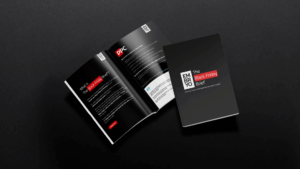
It’s an easy assumption that the objective of the period is to maximise revenue, but let’s zoom out for a moment and understand the opportunity the period can bring (away from your top line).
Let’s assume that you’re a home retailer, and your garden furniture sales weren’t too great in their micro peak back in spring/summer. All of those huge bulky products are eating away at your profitability by collecting dust in the warehouse. Why not use BFCM weekend to heavily discount the stock, free up your warehouse space and fill it with some more ‘in-season’ good that will boost your top line?
Or let’s assume that you’re a small makeup boutique that has some healthy advertising budgets, but struggles to gain traffic in a heavily saturated market surrounded by noise? BFCM could pose a huge opportunity if you ran a campaign geared towards new customer acquisition, hooking consumers with some inviting discounts for their first 2 orders?
It’s easy to assume that top line revenue is the main objective, but you may find that more strategic offers may have a higher impact over time.
Benchmarking against last year’s performance
When setting targets, a great place to start is to remind yourself what happened last year. Remember the strategy, campaign dates and benchmark yourself VS last year’s data. Don’t get me wrong, we love to track year-on-year growth, but marry last year’s data with this year’s BFCM plan and forecast some performance metrics based on this year’s offering. Obviously, it’s not an exact science, but understanding the strength of this year’s offer vs last year, and the specific vertical trends of your market will go a long way.
Building a cross-channel promotional calendar
As always, the best impact for your business won’t be driven by any single channel, but by planning a cross-channel promotional strategy (and calendar)! Let’s face it, how can we expect anyone to convert in search if we don’t let consumers know about our promotional sale ahead of time, via email and social channels such as Meta, Pinterest, etc? By feeding the top of the funnel early, you’ll maximise sales driven at the bottom of the funnel by those revenue-driving channels (and benefit from those cheap prospecting CPCs also)!
As a general rule of thumb, the spending should start early in prospecting channels, before the ramp-up in spend in the bottom-of-funnel channels, as the BFCM weekend approaches. If you haven’t already, i’d recommend you take a look at our Black Friday Media Plan.
Website and on-site experience readiness
Now you have a promotional calendar and strategy in line, it’s time to focus on some technical aspects that can get you ahead of your competitors, and keep key stakeholders like Google & your customers happy.
Site speed and mobile performance checks ahead of traffic spikes
Talk to your SEO & site devs about page speed insights, a Google tool you can access directly here. It’s something that I, personally, swear by. By ensuring your site is healthy, loads quickly across mobile & desktop without any troublesome lengthy javascripts will put yourself in a great position to maximise revenue. Let’s face it – the consumer’s average attention span isn’t getting longer, and the market isn’t becoming less saturated. It’s easy to bounce off a web page in frustration if it doesn’t load in an appropriate time – i’m not proud, but i’m guilty of it myself. Let’s do ourselves a favour and reduce our churn and reduce our bounce rate year-on-year… make sure your page speed tests and overall site hygiene is strong so you don’t lose pennies and pounds to your competitors.
Clear navigation for deals, categories and stock availability
Another easy box to tick is to make your offering clear on the site navigation. Although we’d expect traffic to be driven straight to the offering pages on site, we can’t stop users from exploring the site a little more than we expect. By holding your offering in an easy-to-spot location in the site nav, you increase your chance of purchase and decrease the risk of churn.
Why not add image banners to your site homepage too? I’ve already highlighted that the consumer’s attention span is dwindling (mine too) – so let’s not rely on them reading the site nav, and let’s add some promotional images and banners that are much more attention-grabbing. Extra points if you action both and report on traffic to your offerings via site navigation & promotional image links… my money is on the images having much more traffic generated!
If your offering is running across multiple product types, ensure you break out your product types in the site navigation too. Ultimately, it’s our job to make sure that consumers can find their desired product as easy as possible, and to make sure they can convert with minimal effort too. Don’t forget to add stock availability to product landing pages too for an extra push to conversion. Nobody likes to miss out!
Trust signals (reviews, delivery/returns info, security badges)
This one goes without saying, but trust signals are still relevant in 2026. Make sure your site has the appropriate security badges across the site through to the end of the checkout process. We still depend on users to feel safe when purchasing online.
Why not go one step further by adding in some Trustpilot reviews so new users know your brand is trusted, or perhaps some product reviews so consumers know that they’re buying something actually worth their while?
These are some simple steps you can take to build brand trust this BFCM
SEO prep for the Black Friday rush

Updating existing “Black Friday deals” pages early instead of creating new ones each year
Don’t forget to ensure your site crawlability is strong this BFCM. Google honours data, and Google’s honour & trust leads to traffic. Instead of creating new (and dataless) pages each year, re-use and update the previous year’s Black Friday deal pages.
Optimising category and product pages for seasonal search intent
Our content optimisation checklist will give you a nudge in the right direction if you need a hand – but ultimately, by optimising your category & product pages to include seasonal search terms will boost your relevant traffic. Increasing relevant traffic will increase your overall traffic numbers, CTRs, CvRs, Sales, Revenue… the list goes on.
If you’re struggling to figure out what your seasonal search terms are – lean into the Google Keyword Planner, Google Trends, or even have a little spy on what your competitors are up to by utilising SpyFu.
Email and CRM marketing
Now then, if you miss this section, you’ve already lost BFCM to your competitors. I mentioned above that feeding the top of the funnel is imperative for success – and now we can probe a little deeper.
Segmenting your list for early access and VIP offers
In 2026, CRM and first-party data are king for obvious reasons and will transform your digital marketing. A good campaign planner will utilise their CRM lists and segment appropriately based on their promotion intentions and relations to LTV. Early access and VIP offers are crucial to improve brand loyalty and maximise revenue.
Building a warm-up sequence in the weeks before Black Friday
On the email side of things, having effective messaging pre-planned to build a warm-up sequence in the weeks before BFCM plant the seed in your customer’s brains without being too intrusive. Ideally, you’re not going to rely on a sole email to let your customers know about your promotion (as you’ll also be spending on cheap CPC social channels to prospect -right?) but you will also have a steady flow of emails pre-planned to ramp up the ante as we head into BFCM.
If your customer is anything like me – they are forgetful, and will be receiving hundreds of emails of this kind in November. Let’s make them memorable and not too intrusive. There’s a guide here that demonstrates how to write a marketing email that actually grabs your audience’s attention.
Post-purchase and abandoned cart flows during peak
Now this is one that I can’t stress enough – having post-purchase and basket-abandoned cart flows set up are crucial to increase CvR & top-line revenue. They should be clear, personalised – and platforms such as Klaviyo make the whole process easy to set up. Do not sleep on this opportunity!
Social media and organic content

Social and organic content should go hand in hand with your email comms to have a consistent message to drive your top-of-funnel activity.
Teaser content to build anticipation and audiences
One lever to pull is releasing teaser content to build anticipation and audiences. Not only will this generate some hype (again, specific to your audiences) but we’d hope it will spark some engagement and give you an understanding of what to expect across your promotional lines and categories in terms of performance.
Platform-specific content
There’s a long list of BFCM social strategies that you can deploy, but ensuring your campaigns are channel specific alone will put you in a good position. Deploy the relevant stories, reels and posts in their correct dimensions to release teasers and ramp up spend as you approach BFCM.
Why not overlay your CRM data with category purchasers too, to ensure that your paid social ads are hitting the correct audiences? If you have black friday purchaser lists from last year, why not utilise them too?
User-generated content and influencer partnerships
It’s not news that UGC is king in 2026. If your advertising budget can afford it, UGC is a great way to authentically reach new audiences in an engaging video format. We know it’s not cheap, but by sourcing the right influencers for your brand, generally, you’ll track a positive impact – but again, just make sure the price is right.
Paid advertising considerations
Now, we’re getting into my favourite side of digital. Paid media channels will mop up all of that work you’ve applied in the last weeks of top-of-funnel activity and drive sales.We just need to make sure that we’re appropriately planned to push budgets at the right time, ensure content and creative is strong, and that everything is tracking as it should be.
Aligning paid budgets with organic and email pushes
Picture this: you’ve ran strong prospecting campaigns across social channels. You’ve set up excellent email flows driven by CRM. Your customer is aware that you have a strong offering live, but they were too busy to click on your communications at the time of seeing them. They head into a search engine and search for your offering… but your ad doesn’t show, and they click on your competitor’s ad. Congratulations: you just lost a sale!
It’s imperative that your paid media campaigns have sufficient budgets, not only ramping up as BFCM approaches, but in sync with your social and email comms. Please do not donate your sales to your competitors after this much black friday preparation!
Retargeting website visitors from earlier in the year
If you haven’t already, use your CRM and GA4 data to create audience lists of visitors earlier in the year. If your offer is diluted across product types, ensure that your audiences are too.
Personally, I still like to create the ‘old-school’ audience strategies splitting category-level users into site visitors, added to baskets, checkout abandoners & purchasers across multiple lookback windows for maximum coverage, but I’m just a geek for standard shopping campaigns, and fear optimised targeting levers… but even if you provide these audiences as audience signals, your algorithms will have a clear understanding of who your audience is.
Coordinating messaging across paid channels with the wider campaign
Of course, we’d like our messaging to be consistent across channels. This one goes without saying, and will keep the brand team off your back if any mishaps happen. Ensure your ad copy and key messaging is aligned, signed off and set up ahead of time. Those approval processes can be a little too long if you leave it until the last minute to upload!
Content and creative planning
Content and creative – the yin to the yang of a successful paid campaign. Over the last 10 years, paid media has become much more visual, even in Google Ads. Advertisers need to ensure their creative plans are aligned with the strategy, and of course, their creative team!
Briefing designers and copywriters early to avoid bottlenecks
In agency-land, I think we can all agree that our creative teams are under tremendous pressure all year round, never mind in Q3! Let’s try and reduce any chances of work-related burnout and get those creative briefs in early. They will thank us!
Analytics and measurement readiness
Well done, you’re almost done. Once the strategy is in line and set up ahead of time, it’s a good idea to check your tracking and make sure everything is in line. I’m sure you’ve done a great job so far – we just need to make sure we can demonstrate our value from our KPIs.
Making sure tracking is set up correctly before the sale window
Make sure your Analytics account is set up properly. Although there may be a 48-hour conversion delay, it proves a fairly rational source of truth when looking to do some lookback window reporting. For live reporting, I’d recommend you use your top-line live reporting data.
Dashboards for daily monitoring across channels
Use dashboards to drive data-driven optimisations in real time. Most advertisers have their own favourite dashboarding provider, but ultimately, it’s vital to monitor spend, traffic, efficiencies, conversion rates, sales & revenue across peaks to ensure no revenue is left on the table.
Digital marketing prep timeline
Well done for making it this far! I’m leaving you a small timeline below so you can ensure your strategy is strong and actioned in due time.
8–10 weeks out:
This is when advertisers should be hashing out the overall strategy, content briefs, site audits etc.
4–6 weeks out:
Advertisers should be focusing on campaign builds, email sequences, and getting the social content ready.
Black Week (20–27 Nov):
Everything across all channels should be activated ahead of time, and daily monitoring across all channels is vital, and making optimisations to get the most out of your campaign.
Post-Cyber Monday:
Time for advertisers to report on their performance across channels & re-engage with their customer base.
Key Takeaways: your Black Friday 2026 digital marketing checklist
I appreciate there are a lot of moving parts to create a successful BFCM strategy. Here’s the TL/DR breakdown below:
Dates:
BF 27 Nov, Cyber Weekend 28–29 Nov, Cyber Monday 30 Nov.
2026 shifts:
AI-driven search growing, CPCs up ~15% YoY, longer sale windows.
Strategy:
Set clear objectives (not just revenue), benchmark vs last year, build a cross-channel calendar (prospecting early, bottom-funnel spend near BFCM).
Website:
Fast/mobile-friendly, clear deals navigation, trust signals (reviews, security badges).
SEO:
Update existing BF pages (don’t rebuild), optimise for seasonal search terms.
Email/CRM:
Segment for VIP/early access, run a warm-up sequence, nail post-purchase & abandoned cart flows.
Social:
Teaser content, platform-specific formats, UGC/influencers.
Paid ads:
Sync spend with organic/email, retarget past visitors, keep messaging consistent.
Creative:
Brief designers early to avoid bottlenecks.
Analytics:
Confirm tracking pre-launch, use live dashboards during the sale.
Timeline:
- 8 to 10 wks out (strategy/audits)
- 4 to 6 wks out (builds/content)
- Black Week (activate & monitor)
- Post-Cyber Monday (report & re-engage)